
JoJo Golden Spirit Best Team Guide
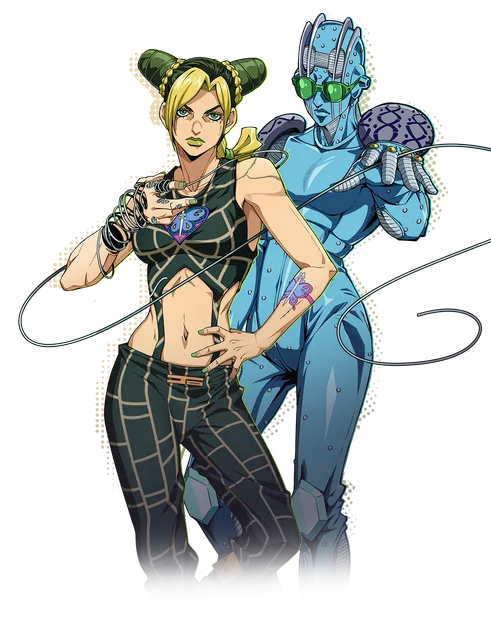
Want the best team in JoJo: Golden Spirit? Because it’s a team-based auto-battler, your squad wins or loses on how well it’s built — not on any single unit. The confirmed mechanics already tell us what a strong team looks like: styles spread wide enough to trigger RUSH mode, a carry-plus-support core, and a formation that uses the grid. The global version released on August 13, 2026; named lineups remain provisional until repeatable launch-build tests support them.
⚠️ Post-launch evidence note (2026-09-02): we do not yet have enough independently checked, repeatable global-build results to call a named lineup “best.” The framework below is confirmed-system guidance, not a claim that a mature launch meta already exists.
Balance your fighting styles
Golden Spirit units come in six fighting styles — Defense, Assault, Agility, Ranged, Special and Support Type — and all six effects are published. Stacking one style leaves obvious holes, so a strong team spreads across several. The two styles worth deliberately planning around are Special (a basic attack restores 20% of max Energy every 10s, which accelerates the ultimates RUSH depends on) and Support (an ally dropping below 30% HP is healed for 10% of max HP).
Our existing source set does not reliably map every character to the six types. Build around verified style tags in your own client and treat unverified web lists cautiously.
Set up RUSH chains
When three characters of different classes fire their finishers, the next unit enters RUSH mode — a +25% final-damage boost plus a small energy restore. Building a team that can chain finishers from different styles turns RUSH from a lucky proc into a plan. Think of your draft as four slots: three “battery” units of three different styles whose ultimates come up reliably, and one designated finisher who fires fourth and cashes in the bonus. Until full energy costs are known we can’t compute optimal chains — but drafting three-plus styles is already provably correct.
Position the formation grid
Units fight automatically once placed on the multi-tile formation grid, so positioning is your main in-fight decision. Put durable front-liners where they’ll absorb pressure and keep fragile carries and support units protected behind them. The closed beta also confirmed real-time weather shifts how battles play out, so treat formations as adjustable — a lineup you never re-position is leaving one of the game’s two pillars (Wit, the counterplay side) unused. Grid dimensions and team size are not yet independently verified for this guide; placement maps wait for that evidence.
Carry + support core
A reliable core pairs a carry (your main damage) with a support that enables it, then rounds out with flexible picks of other styles to feed RUSH. Because style assignments are unpublished, the core to plan is a shape, not two names: one unit that survives the opening exchange, one that answers an ally hitting 30% HP, and one that refills energy fast enough to keep ultimates coming. Duplicates raise a unit’s Star (1–5) through fragments, so committing to a core early keeps paying off as copies stack.
A provisional starting point
Based strictly on confirmed mechanics — and clearly labeled as a provisional sketch, not a meta comp: a durable unit holding the front, a Support Type covering the 30% HP threshold from the back, a Special Type battery keeping energy flowing, and a fourth unit of a different style to complete the RUSH chain and cash the +25%. Free SR Joseph Joestar from launch rewards were advertised for eligible accounts. Plan your pulls with the reroll guide, and draft options on the tier list or in the team builder.
What we can’t rank yet
Full skill kits, energy costs, style counters, team size and stat curves are all unannounced. That’s why this page ranks principles instead of characters. Within named comps require repeatable global-build evidence. Distrust any “best team” list that pretends to know the numbers, including any that cite the closed beta without declaring its version and method.
FAQ
Does the six-slot planner prove the live team size? No. Six is a workspace limit in the tool, not a verified global-build rule.
Is there a verified best named lineup? No. Public sources lack repeatable full-team tests under one global version.
How can I compare two teams fairly? Keep stage, levels, upgrades and positions constant; change one unit or position at a time and record the result.
Sources
Source scope checked August 14, 2026. Store claims and versioned CBT documentation are kept separate from unverified global-build values.
Frequently Asked Questions
How do you build a RUSH chain?
Draft at least three units of different classes whose ultimates can fire in sequence. Once the third different-class ultimate goes off, the next unit gets +25% final damage and a small energy restore, which turns RUSH from a lucky proc into something you plan for.
Does positioning matter in an auto-battler?
Yes — placement on the multi-tile formation grid is the main decision you still make once the fight starts running itself. Durable front-liners absorb the pressure while carries and support units stay protected behind them.
How many units are in a Golden Spirit team?
Official team size and grid dimensions have not been published before the August 13, 2026 launch. What is confirmed: units sit on a multi-tile formation grid, and RUSH mode needs at least three different classes plus a unit to receive the bonus — so plan for at least four slots.
Three finishers from different classes trigger RUSH on the next unit — plus a small energy restore.